

Heart Attack Symptoms, Early Signs & Emergency Treatment Guide
heart attack symptoms, myocardial infarction
A heart attack happens when blood supply to part of the heart muscle is blocked. Because the cells in the affected area of the heart muscle are not receiving the oxygen and nutrients they need, they become damaged and can die, causing the heart to not pump normally and, if untreated, stop pumping blood.
Calling emergency services as soon as you recognize the signs and symptoms of a heart attack can minimize damage to the heart and may save a life.
Early Signs You Should Never Ignore
Your body usually gives warning signs before things become serious, but people often ignore them.
1. Chest Discomfort (Not Always Pain)
It may feel like pressure, tightness, heaviness, or burning rather than sharp pain. Some people describe it as “something sitting on the chest.”
2. Pain Spreading to Other Areas
Discomfort may spread to the left arm (classic sign), both arms, neck, jaw, or back.
3. Shortness of Breath
Difficulty breathing without physical exertion is a major warning sign, especially when combined with chest discomfort.
4. Cold Sweating & Dizziness
Sudden cold sweating without reason, lightheadedness, or feeling like you may faint can indicate a heart emergency.
5. Nausea or Vomiting
This is more common in women and older adults and is often mistaken for a stomach problem.
6. Unusual Fatigue
Extreme tiredness without a clear reason, especially days before a heart attack, can be an early warning sign.
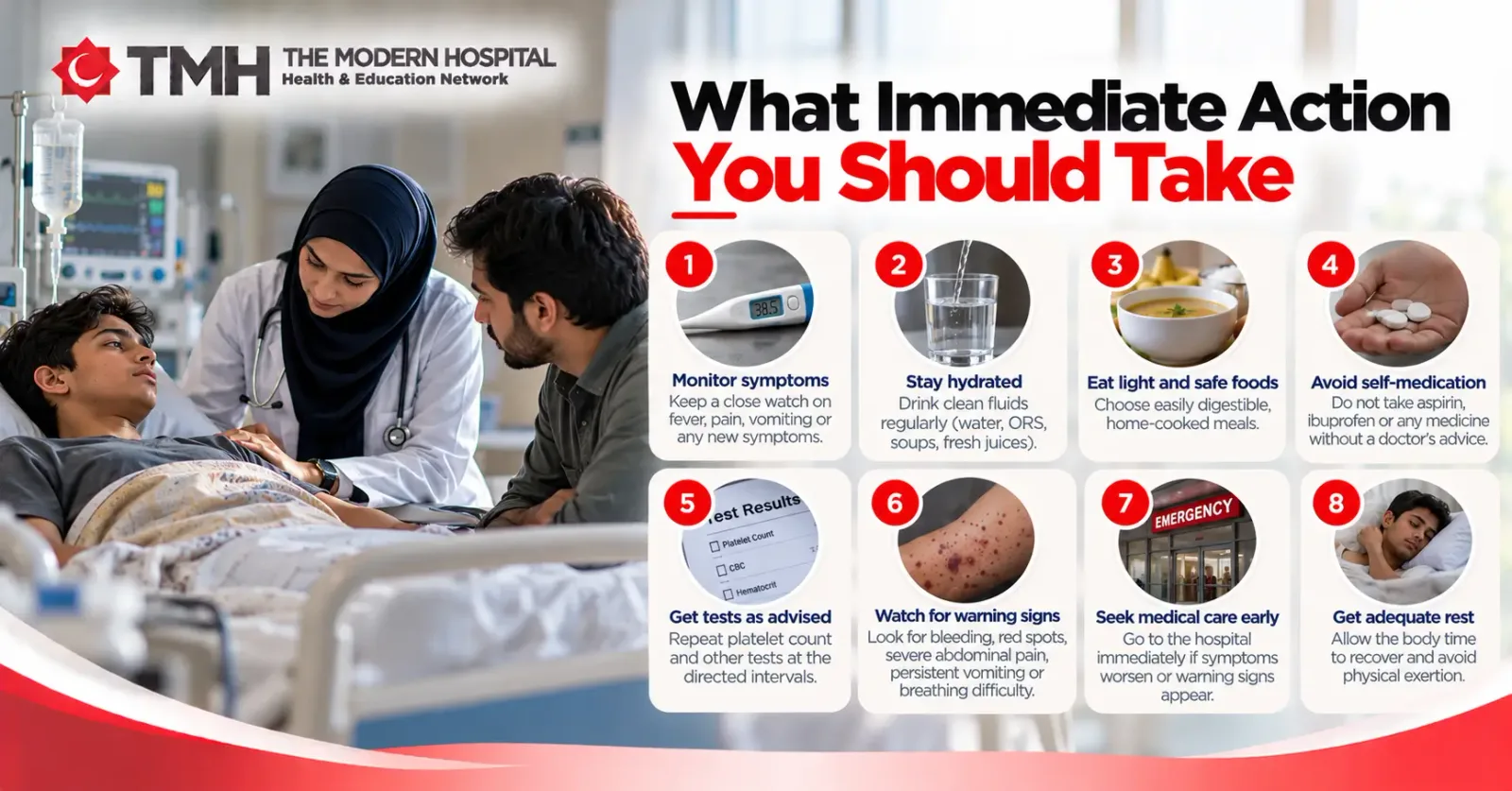
What Immediate Action You Should Take
Stop Immediately and Sit Down
The moment symptoms such as chest pressure, breathlessness, or dizziness begin, stop all activity immediately. Sit or lie down and remain still.
Call Emergency Help
Call emergency services right away or ask someone nearby to call. If you are alone, make the call first instead of waiting.
Take Aspirin
Chew one aspirin (usually 300 mg) immediately. Do not swallow it whole, as chewing helps it work faster.
Important note: Do not take aspirin if you are allergic or have been advised not to use it by a doctor.
If the Person Becomes Unconscious
If someone is unconscious and a heart attack is suspected, call emergency services immediately. Check breathing and pulse.
If the person is not breathing or has no pulse, start CPR.
If you are not trained in CPR or prefer not to do rescue breaths, perform hands-only CPR by pushing hard and fast in the center of the chest at a rate of 100–120 compressions per minute until help arrives.
If you are trained, perform 30 chest compressions followed by 2 rescue breaths, repeating until medical help arrives.
Bottom Line
Act within minutes, not hours. Call for help first, do not delay. Aspirin, rest, and immediate response can significantly improve survival chances.
If something feels wrong, assume it is serious and act immediately.