

Inside the TMH Mental Health Camp in Karachi
Medical Information Note: Content is intended for public health education. Assessment and treatment decisions require individual clinical evaluation. Seek immediate medical attention for an acute mental health emergency.
Key Takeaways
The Modern Hospital's mental health camp in Karachi brought together interactive activities and professional guidance for local families:
Event Details: The Mental Health Camp was held on Saturday, 24 October 2026, at The Modern Hospital in Gulshan-e-Iqbal, Karachi.
Three Core Themes: Know Yourself, Understand Your Mind, and Find the Calm guided visitors through self-awareness, emotional understanding, and stress management.
Interactive Activities: The camp featured wellbeing checks, personality and strengths exploration, coping skills, mandala colouring, stone painting, and drawing.
Family Mental Health Support: Dedicated activities included a children's mental health corner for ages 4–12, parental counselling, and psychologist consultations.
Have you been sleeping poorly, losing patience faster than usual, or feeling exhausted before the day even ends?
Between work, family responsibilities, and everything else demanding your attention, understanding your own emotional wellbeing often becomes an afterthought. Approximately 1.2 billion people worldwide live with a mental disorder, and most of them lack access to effective care.
The Modern Hospital organised its mental health camp in Karachi on Saturday, 24 October 2026. Held from 10 AM to 5 PM in Gulshan-e-Iqbal Block 7, opposite Safari Park, Karachi, the camp encouraged conversations about mental wellbeing.
Let's look at how these activities encouraged adults, parents, and children to better understand their mental wellbeing.
Know Yourself: Checking Your Wellbeing and Personal Strengths
Understanding your mental wellbeing involves looking at both the challenges you face and the strengths you bring to them. The Mental Health Camp began with two activities encouraging visitors to understand their emotional wellbeing and personal strengths:
Wellbeing Checkups:
Psychological screenings encouraged visitors to examine their:
Stress levels
Sleep quality
Emotional fatigue
Recognising these changes also supports earlier conversations about persistent anxiety symptoms.
Interests, Personality, and Strengths:
These assessments encouraged visitors to explore their:
Interests
Personality traits
Personal strengths.
Understanding these qualities offers useful insight into how you approach challenges at work, during studies, or within family life. If you missed the camp, take a moment to consider three questions:
Sleep Quality:
Do you wake up feeling rested, or do worries keep you awake at night?
Emotional Triggers:
Which everyday situations leave you feeling particularly irritable, tense, or emotionally drained?
Personal Boundaries:
When did you last decline an additional responsibility because you needed time to rest?
Your answers offer a starting point for recognising patterns that deserve greater attention, particularly when stress affects your daily life.
Understand Your Mind: Connecting Thoughts, Feelings, and Coping Skills
Have you noticed how worrying about something at work sometimes leaves you physically tense long after you've finished?
Your thoughts, emotions, and physical responses influence one another, especially during stressful situations. Repeated negative thinking intensifies emotional distress and contributes to ongoing anxiety or depression symptoms.
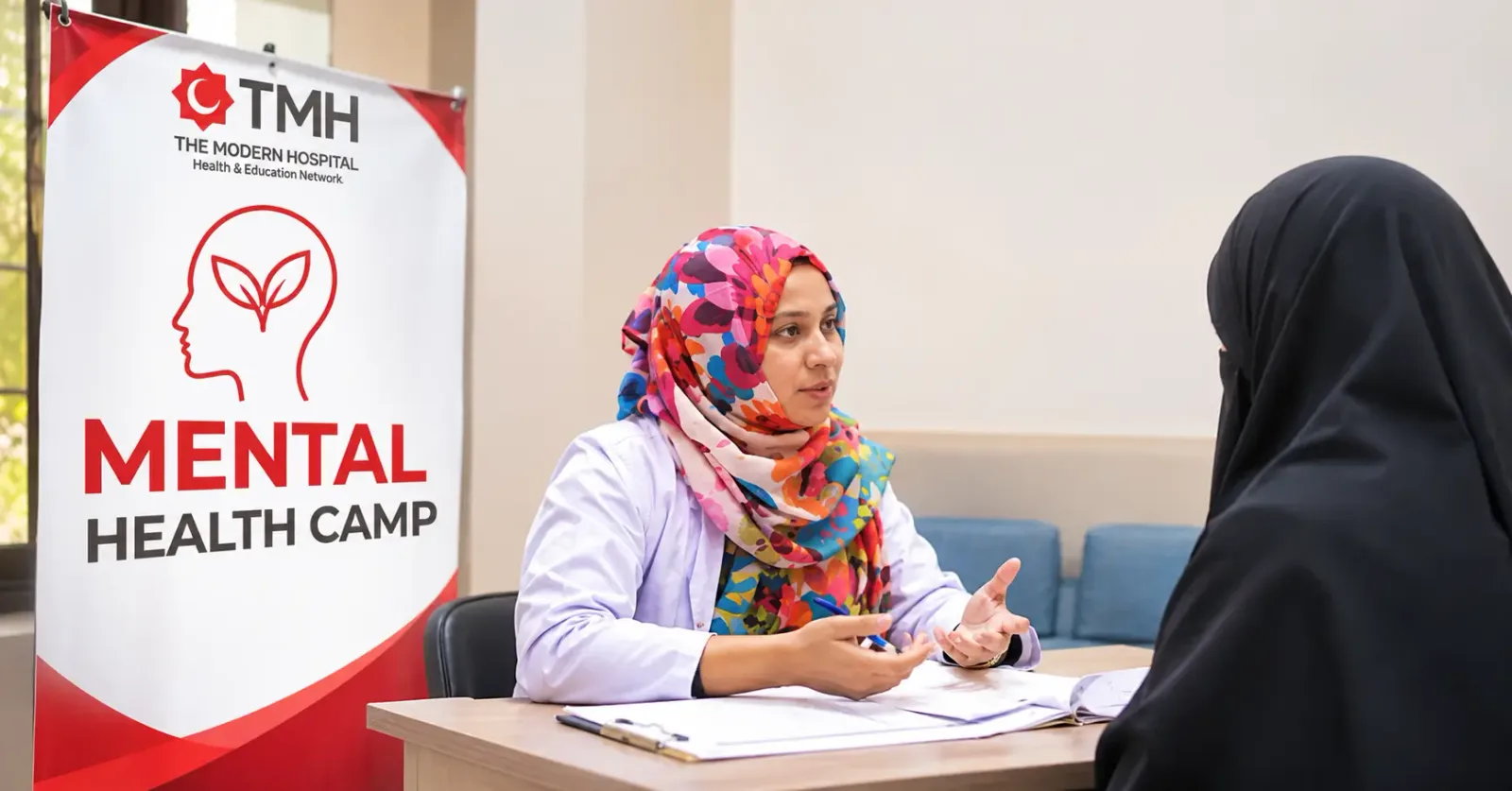
Recognising these patterns is an important part of cognitive behavioural therapy. At the Mental Health Camp, activities focused on understanding thoughts and feelings, alongside practical coping skills for managing stress. Three useful techniques to practise during stressful moments include:
Cognitive Labelling:
Write down a distressing thought and consider what evidence supports it. Recognising unhelpful thinking patterns gives you an opportunity to examine them more carefully.
Box Breathing:
Breathe in for four counts, hold for four, exhale for four, and pause for four before repeating. Keep your breathing comfortable and stop if you feel dizzy.
Sensory Grounding:
Identify five things you see, four you feel, three you hear, two you smell, and one you taste. The exercise brings your attention back to your immediate surroundings.
These techniques offer practical ways to manage stressful moments and become more aware of your emotional responses.
Find the Calm: How Creative Expression Settles an Overactive Mind
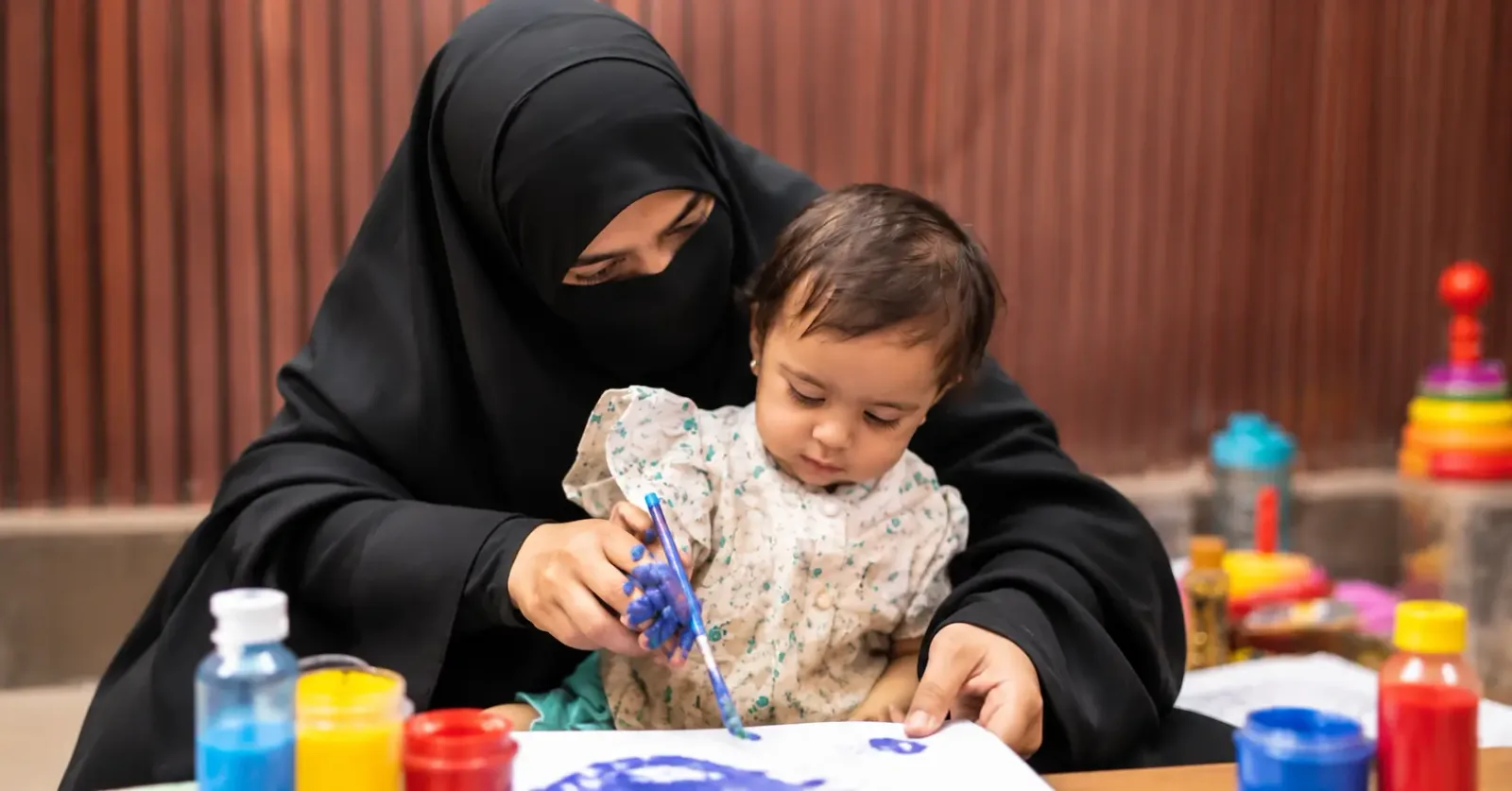
When your thoughts keep returning to the same worries, focusing on a creative activity offers a welcome break. Drawing, colouring, and painting engage your attention through simple movements, colours, and patterns.
The camp's Creative Calm station featured:
Stone painting
Mandala colouring
Freehand drawing
Research supports the potential benefits of these activities. A study found that mandala colouring reduced anxiety and stress among hospitalised adults, although the evidence quality was low. Consider introducing similar activities into your day with a simple 20-minute creative break:
Put Away Distractions:
Silence phone notifications and set aside twenty uninterrupted minutes after dinner.
Get Creative:
Colour a mandala, sketch geometric patterns, or paint smooth stones using colours you enjoy.
Enjoy the Process:
Concentrate on the movement of your pen or brush without worrying about the finished artwork.
A short creative activity gives you an opportunity to unwind, focus your attention, and spend time away from everyday pressures.
Supporting Growing Minds: Kids' Mental Health Corner and Parental Counselling
Children aged 4 to 12 often struggle to explain worries about school, friendships, or tension at home. Instead, you might notice irritability, bedtime fears, recurring stomach aches, or withdrawal from activities they usually enjoy.
At TMH's Mental Health Camp, the Kids' Mental Health Corner and parental counselling brought attention to children's emotional wellbeing. For ongoing developmental concerns, parents can consult the Pediatrics Clinic.
Play-Based Assessments:
Drawing, storytelling, and play offer psychologists opportunities to understand how children express emotions and respond to everyday situations.
Recognising Emotions:
Interactive games encourage children to identify and express feelings such as anger, fear, and sadness.
Parental Guidance:
Counselling addressed parenting concerns, including screen limits, sibling conflicts, and managing difficult behaviour without shouting.
Developmental Support:
Persistent emotional or behavioural changes deserve attention alongside your child's physical growth and paediatric developmental care.
Inside the Eight Interactive Stations at TMH's Mental Health Camp in Karachi
The camp featured eight interactive stations covering emotional awareness, stress management, creative activities, and family mental health support. Here's what each station focused on and how you could continue exploring these areas after the event:
Camp Station | Focus | Your Next Step |
Wellbeing Check | Stress, sleep, and emotional wellbeing | Discuss persistent concerns with a healthcare professional |
Strengths Discovery | Personality, interests, and personal strengths | Reflect on your strengths and coping patterns |
Thoughts & Feelings | Recognising thoughts and emotional responses | Consult a psychologist about ongoing difficulties |
Coping Skills | Breathing, grounding, and stress management | Practise coping exercises |
Creative Calm | Mandala colouring, stone painting, and drawing | Set aside time for creative activities |
Kids' Corner (Ages 4–12) | Children's emotional expression and play-based activities | Seek professional guidance for persistent concerns |
Parental Counselling | Parenting challenges and family communication | Discuss concerns with a qualified professional |
Talk to a Psychologist | Individual mental health guidance | Enquire about consultation availability |
Together, the stations introduced visitors to different aspects of mental wellbeing, from recognising emotional patterns to exploring professional support.
How Community Health Camps Support Your Family and Where to Catch the Next Update
Booking your first appointment with a psychologist often feels daunting, especially when you're unsure what to expect. A community mental health camp offers a more approachable introduction through interactive activities and opportunities to speak with professionals.
Events like TMH's Mental Health Camp encourage healthier conversations about mental wellbeing in three practical ways:
Early Awareness:
Wellbeing checks draw attention to persistent stress, emotional fatigue, and behavioural changes that deserve further assessment.
Preventive Care:
Combining mental health awareness with a regular preventive health checkup encourages greater attention to your physical and emotional wellbeing.
Family Conversations:
Attending together encourages parents and children to discuss stress, emotions, and everyday challenges more openly at home.
If you missed the October camp, future TMH community events offer another opportunity to explore health-related concerns. Follow The Modern Hospital on Facebook, Instagram, LinkedIn, YouTube, or TikTok for announcements about upcoming activities.
You can also contact the WhatsApp desk at 0310-4835503 for updates.
Talk to a Psychologist: Accessing Year-Round Care at The Modern Hospital
The Mental Health Camp gave visitors an opportunity to discuss personal concerns with a psychologist. Speaking with a professional offers a starting point for understanding emotional difficulties and exploring appropriate support.
If you missed the event on 24 October 2026, The Modern Hospital continues to provide psychiatric care and psychological support in Karachi. Its services address concerns including anxiety, depression, stress, and sleep difficulties. Mental health services at TMH include:
Individual Psychotherapy:
Counselling and psychological therapies address persistent worry, work-related stress, grief, and emotional difficulties.
Child and Family Guidance:
Psychological support and family counselling address behavioural concerns, parenting challenges, and difficulties affecting family relationships.
Psychiatry:
Psychiatrists assess mental health conditions, including mood and sleep disorders, and prescribe medication when clinically appropriate.

Privacy and Confidentiality:
Consultations provide a confidential setting to discuss personal concerns, with patient information handled according to professional confidentiality requirements.
For an appointment at The Modern Hospital, Block 7, Gulshan-e-Iqbal, opposite Safari Park, Karachi, use the following contact details:
Phone: Call 021-111-864-864 to enquire about specialist availability and appointments.
WhatsApp: Contact 0310-4835503 for appointment enquiries and clinic timings.
Online: Visit The Modern Hospital to explore departments and appointment options.
Put Your Mind First Today
The mental health camp in Karachi encouraged families to recognise emotional challenges, understand their responses, and explore practical coping strategies.
If stress, anxiety, or emotional difficulties continue affecting your daily life, consider speaking with a mental health professional. The Modern Hospital provides psychiatric consultations and psychological services for patients seeking further guidance.
To arrange an appointment, visit The Modern Hospital in Gulshan-e-Iqbal, Karachi, or call 021-111-864-864. You can also contact 0310-4835503 on WhatsApp for appointment enquiries.
Frequently Asked Questions
What happens during a first visit with a psychologist at The Modern Hospital?
Your first consultation usually begins with a discussion about your symptoms, sleep patterns, emotional concerns, and daily challenges. The psychologist then considers your needs and discusses appropriate assessment or treatment options.
How do I know if my child between ages 4 and 12 needs a mental health evaluation?
Persistent irritability, school refusal, sleep disturbances, unexplained stomach aches, or withdrawal from favourite activities deserve attention. If these changes disrupt your child's daily life, seek a professional assessment.
What is the difference between consulting a psychologist and a psychiatrist?
A psychologist assesses emotional and behavioural difficulties and provides psychological therapies. A psychiatrist is a medical doctor who diagnoses mental health conditions and prescribes medication when needed. Both professionals contribute to mental healthcare.
How do creative activities like mandala colouring and stone painting reduce stress?
Colouring, drawing, and painting engage your attention through repetitive movements, colours, and patterns. A study found that mandala colouring reduced anxiety and stress among hospitalised adults. The researchers rated the evidence as low certainty.
How do I find out when The Modern Hospital is hosting its next health camp?
Follow The Modern Hospital on Facebook, Instagram, LinkedIn, YouTube, or TikTok for announcements about upcoming community events. You can also check enquire through WhatsApp at 0310-4835503.