

When Should You See a Cardiologist?
When to See a Cardiologist
Heart symptoms often create uncertainty rather than a clear warning. A fluttering heartbeat may last only a few minutes, breathlessness may appear only on stairs, and high blood pressure may cause no obvious symptoms at all.
Knowing when to see a cardiologist helps you act before uncertainty turns into repeated worry or delayed care.
A cardiologist looks at symptoms alongside blood pressure, medical history, family history, medicines, and heart tests. Some concerns need a routine consultation, others deserve prompt medical review, and certain warning signs call for emergency help.
Understanding what cardiology covers can make it easier to see why cardiologists investigate symptoms, interpret heart tests, and manage problems involving the heart and blood vessels.
Signs You Should Consider a Cardiology Consultation
Chest Pain or Pressure That Keeps Returning
Chest discomfort has many possible causes, yet recurrent pressure, tightness, squeezing, heaviness, or pain deserves medical assessment. Symptoms linked with physical effort or accompanied by breathlessness, sweating, nausea, or lightheadedness raise greater concern.
Severe or persistent chest symptoms need emergency care. For symptoms that are currently stable but keep returning, a cardiologist may help determine whether heart testing is appropriate.
Knowing the main chest pain warning signs helps clarify when symptoms need urgent assessment rather than a routine appointment.
Shortness of Breath Without a Clear Explanation
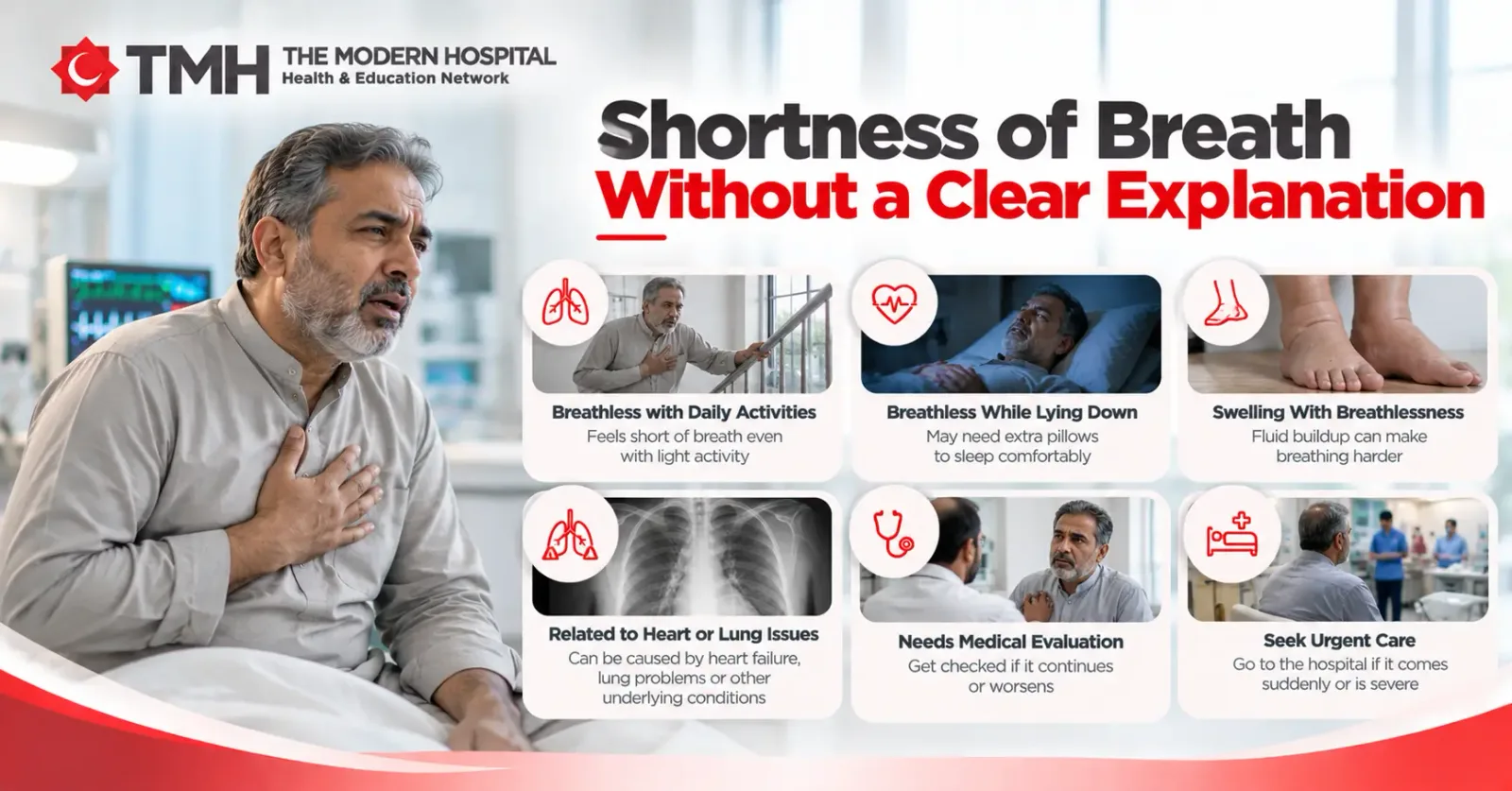
Breathlessness may come from:
Heart
Lung
Blood
Fitness
Other health problems.
A new pattern during ordinary activity, breathlessness when lying down, or worsening symptoms deserve medical review, particularly when leg swelling, fatigue, or chest discomfort also appears.
Palpitations That Recur or Last Longer
Palpitations may feel like racing, pounding, fluttering, or skipped beats. Palpitations that keep returning, become more frequent, or last more than a few minutes deserve medical review, especially in someone with a heart condition or family history of heart problems.
Palpitations with chest pain, shortness of breath, feeling faint, or actual fainting need urgent medical attention.
Fainting or Repeated Near-Fainting
Fainting has several possible causes, but unexplained fainting during exertion or alongside palpitations deserves particular attention, especially when there is a family history of early heart disease or sudden death.
Swelling in the Legs or a Noticeable Drop in Exercise Tolerance
Persistent swelling in the ankles or legs, unusual fatigue, or a clear decline in how much activity you manage without symptoms may justify heart evaluation. A cardiologist will consider heart causes alongside other possible explanations.
Risk Factors That May Lead to a Cardiology Referral
Symptoms aren't the only reason to see a cardiologist. Some people need specialist input because their cardiovascular risk or previous test results suggest closer review.
High blood pressure that remains difficult to control may lead to specialist assessment, especially when other cardiovascular risks are present.
Markedly abnormal cholesterol, diabetes, kidney disease, or several risk factors occurring together may justify a more detailed heart-risk discussion.
A strong family history of premature heart disease or sudden cardiac death may prompt earlier assessment.
An abnormal ECG, echocardiogram, stress test, or other heart investigation may need interpretation by a cardiologist.
Known heart disease usually requires follow-up at intervals chosen according to the condition and treatment plan.
When High Blood Pressure Should Raise More Questions
High blood pressure often develops without clear symptoms, which makes regular measurement important. A single raised reading doesn't automatically mean heart disease, but repeated high readings deserve medical review.
A cardiologist may become involved when blood pressure stays high despite treatment, when there are signs of heart involvement, or when the overall cardiovascular risk picture is more complex. Patients should bring recent blood pressure readings and a medicines list to the consultation.
What Happens After You Decide to See a Cardiologist?

A cardiologist usually starts with a detailed history and physical examination. Depending on the concern, the next step may involve an ECG, echocardiogram, ETT, Holter monitor, blood tests, or another investigation. These tests used to diagnose heart problems measure different aspects of rhythm, structure, pumping function, and exercise response.
Preparing a short symptom timeline makes the appointment more useful. Note when symptoms began, how often they occur, what triggers them, and whether they are becoming more frequent or intense. Bring previous heart reports, blood tests, and a complete medicines list if available.
When Should You Seek Emergency Help Instead?
A routine cardiology appointment isn’t appropriate for severe chest pain, collapse, major breathing difficulty, or symptoms strongly suggesting a heart attack. Heart attack warning signs include chest discomfort, upper-body discomfort, shortness of breath, sweating, nausea, lightheadedness, and unusual fatigue.
If those symptoms appear suddenly or feel severe, seek emergency medical help immediately through an Emergency Department or local emergency medical services.
Getting Help Before Worry Takes Over
Waiting for symptoms to become obvious often adds stress without giving better answers. The Modern Hospital's cardiology team understands that many patients arrive because something feels different, recurring, or difficult to explain rather than because they already know what is wrong.
For non-emergency concerns, patients can choose from available cardiologists and arrange a consultation through the Cardiology Department. A specialist assessment may help clarify whether testing, monitoring, risk-factor management, or simple reassurance after evaluation is the next appropriate step.
Frequently Asked Questions
1. When should you see a cardiologist for chest pain?
Recurrent or unexplained chest pain deserves medical assessment, particularly when it occurs with activity or alongside cardiovascular risk factors. Severe, sudden, or persistent chest pain with heart attack warning signs needs emergency care.
2. Should palpitations be checked by a cardiologist?
Palpitations that keep returning, last longer, worsen, or occur with dizziness, fainting, breathlessness, or chest discomfort need medical review. A cardiologist may use an ECG or longer rhythm monitor when appropriate.
3. Can I see a cardiologist because of family history?
A strong family history of premature heart disease or sudden cardiac death may justify a cardiovascular risk discussion, especially when other risk factors are present.
4. Does high blood pressure mean I need a cardiologist?
Not everyone with high blood pressure needs specialist care. A general physician often manages uncomplicated hypertension, while persistent, difficult-to-control, or more complex cases may lead to cardiology review.
5. What should I bring to a cardiology consultation?
For a first cardiology appointment, bring a current medicines list, relevant test reports, recent blood pressure readings, and a short summary of symptoms.