

Dengue Symptoms and Warning Signs - A Pakistan Patient Guide
Dengue Symptoms
Dengue fever has become a major seasonal health concern in Pakistan, especially during the monsoon months when stagnant water creates ideal conditions for mosquito breeding.
Each year, cities across Punjab, Sindh, and Khyber Pakhtunkhwa report a rise in cases, with public health experts warning that changing climate patterns are making vector-borne diseases like dengue more frequent and widespread.
Recognizing dengue symptoms early is critical. The illness often begins with symptoms that can easily be mistaken for other infections. Which is why, it’s important to understand that dengue symptoms alone cannot confirm the disease.
This guide is designed to help you identify common dengue symptoms, recognize serious warning signs that need immediate attention, and understand when to consult a General Physician or go to Emergency.
What is Dengue Fever?
Dengue fever is a viral infection spread by Aedes mosquitoes, which commonly breed in clean, stagnant water, making outbreaks more frequent during Pakistan’s monsoon season.
Dengue gets transmitted through mosquito bites, which is why urban areas with water storage issues often see higher case numbers.
While dengue can affect anyone, certain groups consistently show a higher risk of complications and hospitalization:
Children
In Pakistan, children make up a notable proportion of dengue cases during outbreaks, often estimated at 20-30% in hospital-reported data.
Symptoms in children can be less specific, such as:
Irritability
Reduced appetite
Unusual sleepiness
Considering the nature of these symptoms, a delay in diagnosis could happen. Because of this delay, dengue in children is sometimes identified later, increasing the risk of complications if warning signs are missed.
Elderly Individuals
Older adults are more vulnerable to severe dengue due to weaker immune response and underlying health conditions.
While they may represent a smaller percentage of total cases, studies and hospital trends in Pakistan show they account for a disproportionately higher number of severe and critical cases.
Recovery may also be slower, and symptoms like weakness or dehydration can become more serious if not managed early.
People with Pre-existing Conditions
Individuals with conditions such as diabetes, heart disease, or weakened immunity are at increased risk. In Pakistan, a large portion of the adult population lives with such conditions, which can complicate dengue recovery.
Clinical observations suggest that patients with comorbidities are more likely to require monitoring and supportive care, even if initial symptoms appear mild.
Urban Populations
Most dengue cases in Pakistan are reported in urban and semi-urban areas, particularly in cities like Lahore, Karachi, and Rawalpindi. Dense populations, construction activity, and water storage practices contribute to mosquito breeding.
During peak seasons, these areas often report the highest concentration of dengue cases nationwide, making awareness and early recognition of dengue symptoms especially important.
Because early dengue symptoms can resemble other infections like malaria or common viral fever, many patients delay proper diagnosis. Understanding who is at higher risk can help individuals and families act sooner and seek timely care.
Why Dengue Cases Rise in Pakistan
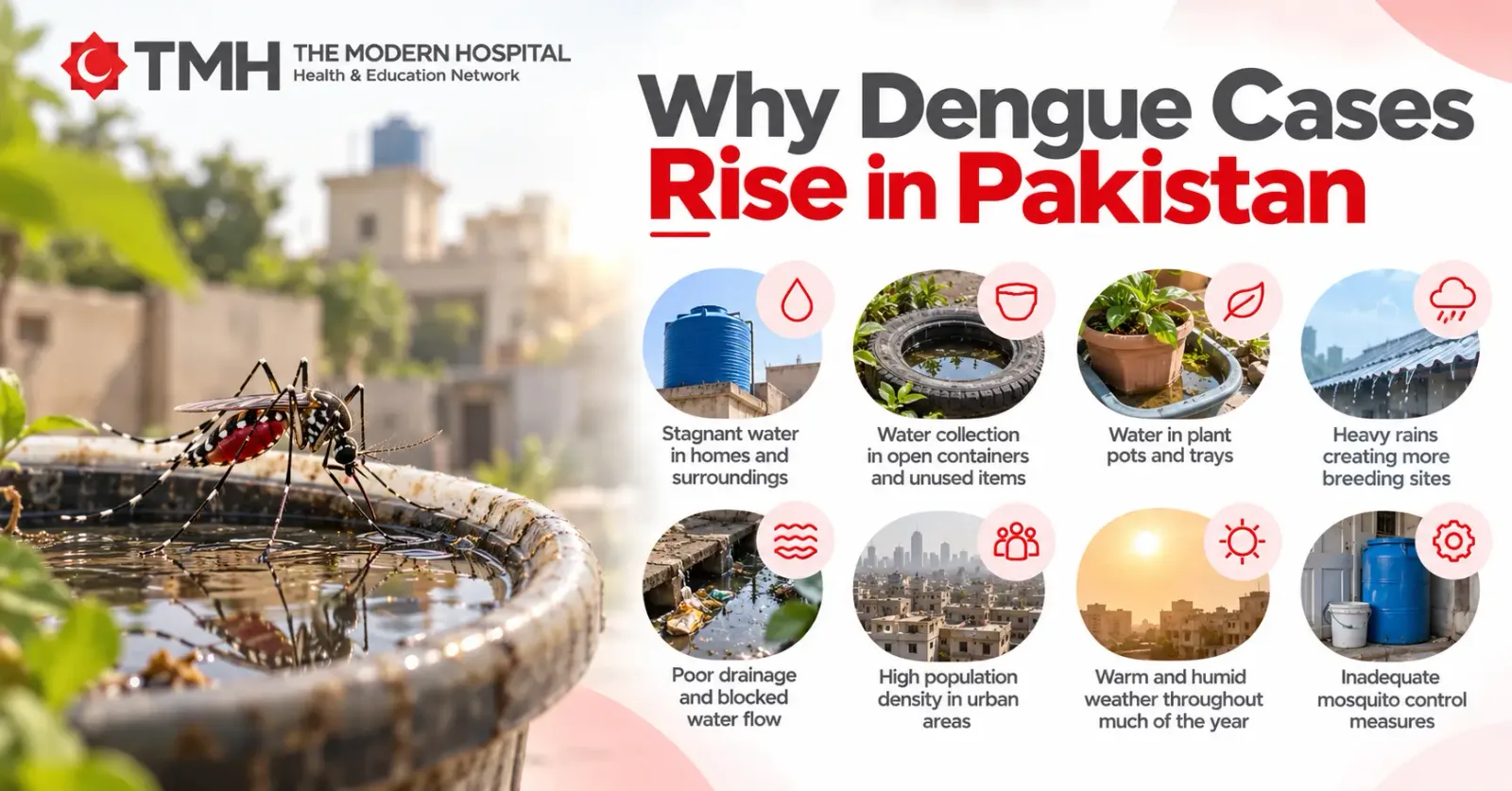
Dengue outbreaks in Pakistan follow a clear seasonal and environmental pattern, especially during and after the monsoon months.
Monsoon Season and Standing Water
The biggest driver of dengue spread is rainwater accumulation. During the monsoon, water collects in:
Open Containers
Items like buckets, pots, bottles, and discarded containers easily collect rainwater when left uncovered outdoors. Even small amounts of stagnant water can become breeding sites for mosquitoes, allowing them to multiply rapidly within days.
Rooftops
Flat rooftops often have uneven surfaces or blocked drainage points where rainwater can collect. If this water is not drained regularly, it creates hidden breeding spots that may go unnoticed for long periods.
Construction Sites
Construction areas frequently have exposed materials, pits, and containers that trap rainwater. Since these sites are often left unattended after work hours, standing water remains undisturbed, providing ideal conditions for mosquito breeding.
Drains and Gutters
Clogged or poorly maintained drainage systems prevent water from flowing properly. This leads to stagnant water buildup, which becomes a consistent and widespread breeding ground for mosquitoes in residential and commercial areas.
These stagnant water sources become ideal breeding grounds for Aedes mosquitoes. As a result, dengue cases typically begin rising from July and peak between August to October in many parts of Pakistan.
Urban Living Conditions
Major cities like Lahore, Karachi, and Rawalpindi report the highest number of dengue cases each year due to several interconnected factors:
High Population Density
More people living in close proximity increases the likelihood that a mosquito carrying the virus will bite multiple individuals in a short period. This accelerates transmission and allows outbreaks to spread quickly within communities.
Ongoing Construction
Construction sites often collect standing water in exposed areas, creating unnoticed mosquito breeding spots. These sites are widespread in growing cities, making them a major contributor to recurring outbreaks.
Water Storage Practices
In areas with irregular water supply, people store water in tanks, drums, or containers. If these are not tightly covered, they become ideal places for mosquitoes to lay eggs and multiply inside homes.
Inconsistent Waste Management
Accumulated garbage such as plastic containers, old tires, and cans can trap rainwater. These small, scattered water sources significantly increase the number of mosquito breeding sites across urban areas.
Because of these conditions, urban centers often account for the majority of reported dengue cases.
Climate Change and Increasing Risk
Health authorities have highlighted that changing climate patterns are increasing the spread of dengue:
Warmer Temperatures
Higher temperatures speed up the mosquito life cycle, allowing them to reproduce more quickly. Warm conditions also help mosquitoes survive longer, increasing the chances of virus transmission.
Irregular Rainfall
Unpredictable rain patterns create frequent and scattered water accumulation. Instead of one controlled rainy period, multiple short rain events can continuously create new breeding sites.
Extended Warm Seasons
Longer periods of warm weather extend the time during which mosquitoes remain active. This increases the duration of dengue transmission, making outbreaks last longer than before.
This means dengue is no longer limited to a short seasonal window. It’s becoming a recurring and prolonged public health challenge.
Public Behavior and Delayed Prevention
Community behavior also plays a significant role in how quickly dengue spreads:
Standing Water Is Not Removed Regularly
Many households and communities do not routinely check for or remove stagnant water. Even small collections of water in everyday items can support mosquito breeding if left unattended.
Preventive Measures Are Underused
Limited use of mosquito repellents, bed nets, and protective clothing increases exposure to mosquito bites. Without consistent protection, individuals are more vulnerable, especially during peak mosquito activity times.
Delayed Response to Early Cases
Preventive actions often begin only after dengue cases are reported in the area. This delayed response allows mosquitoes to spread the virus more widely before control measures are implemented.
As a result, dengue can spread rapidly once it enters a community.
Understanding these factors helps explain why dengue cases surge during specific times of the year in Pakistan and why early prevention, awareness, and consistent community action are critical in controlling outbreaks.
Common Dengue Symptoms
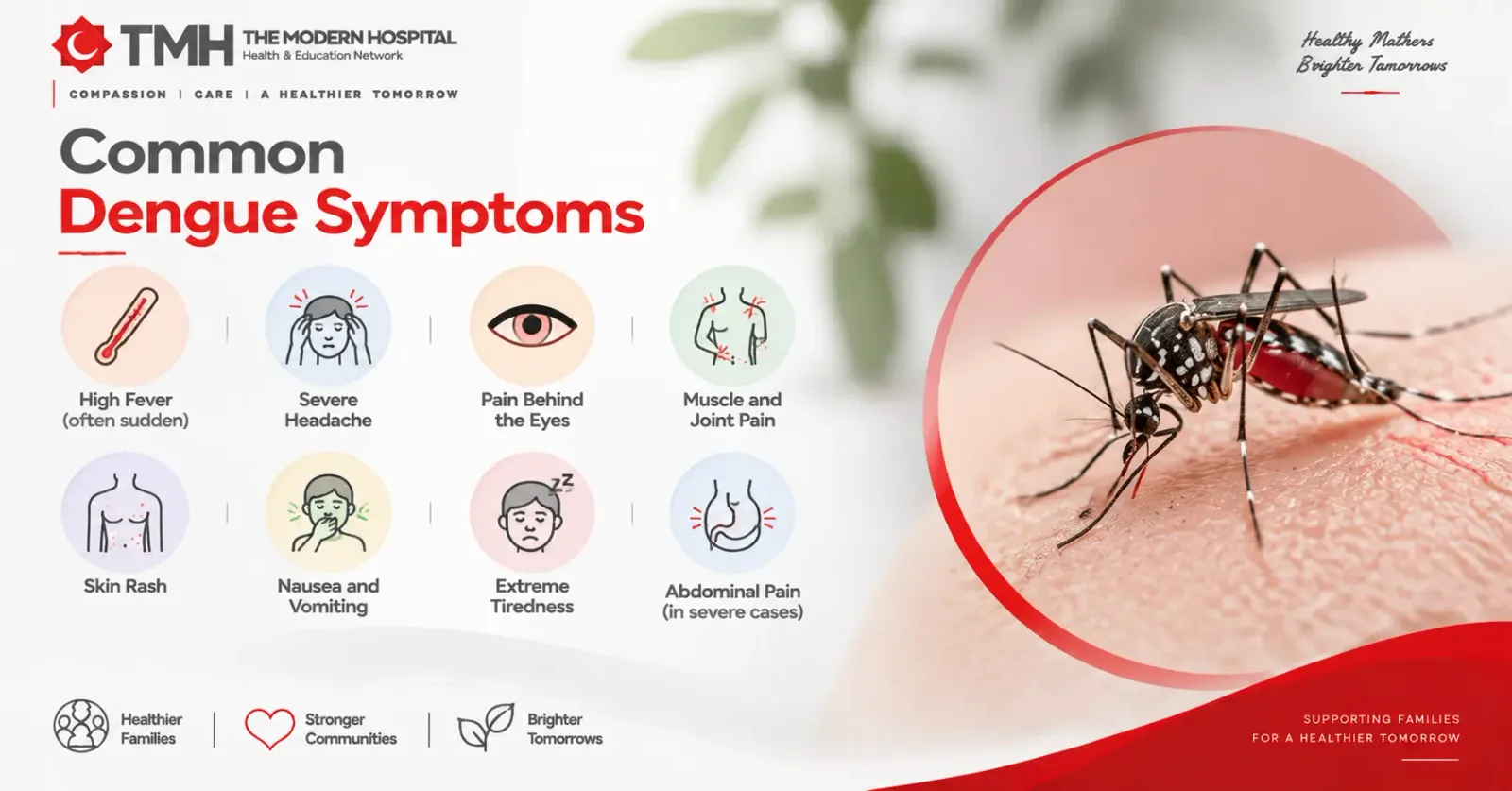
Dengue usually begins suddenly and can resemble a severe flu-like illness. Recognizing these dengue symptoms early is important so that proper testing and medical care can be sought in time.
1. High Fever
A sudden high fever is typically the first and most noticeable symptom:
The temperature can rise quickly to 102–104°F within a short period
Usually lasts between 2 to 7 days
The fever may temporarily drop and then rise again, which can confuse patients
This abrupt onset often leads people to mistake dengue for a common viral infection in the early stage.
2. Severe Headache and Eye Pain
Dengue commonly causes intense headaches along with pain behind the eyes.
The pain behind the eyes can worsen when moving them
It may be accompanied by sensitivity to light
The headache tends to be more persistent and severe than a typical fever-related headache
This combination is a key symptom that helps differentiate dengue from milder illnesses.
3. Body and Joint Pain
Severe muscle and joint pain is one of the hallmark symptoms of dengue.
The pain can affect the entire body, including the back and legs
It may feel deep and constant, making movement uncomfortable
This intense discomfort is why dengue is often called “breakbone fever”
The severity of pain can significantly impact daily activities during illness.
4. Nausea and Vomiting
Digestive symptoms are also frequently observed.
Patients may experience nausea, vomiting, or a reduced appetite
Frequent vomiting can lead to dehydration if fluids are not maintained
Weakness may increase due to lack of proper nutrition and hydration
Monitoring fluid intake becomes especially important at this stage.
5. Skin Rash
A skin rash may develop a few days after the fever begins.
It can appear as red spots or patches on different parts of the body
The rash may or may not be itchy
It often appears after the initial fever phase starts to settle
These dengue symptoms can overlap with other illnesses such as malaria, which is also common in Pakistan. Because of this similarity, laboratory testing is essential to confirm the diagnosis and ensure appropriate treatment.
Critical Dengue Symptoms
As dengue progresses, some patients enter a critical phase, usually after the fever begins to subside.
This is the most dangerous stage of the illness, where complications can develop rapidly. Immediate medical attention is essential if any of the following dengue symptoms appear.
Persistent Vomiting
Occasional nausea is common in dengue, but repeated vomiting is a serious concern.
Continuous vomiting can lead to severe dehydration, especially if fluids cannot be retained
The body starts losing essential electrolytes, which can worsen weakness
It may indicate that the illness is progressing beyond the initial stage
If vomiting becomes frequent or uncontrollable, medical care should not be delayed.
Severe Abdominal Pain
Strong or ongoing abdominal pain is an important warning sign.
The pain may feel intense, deep, or constant rather than mild discomfort
It can be linked to internal complications such as fluid leakage
Patients may also experience tenderness when the abdomen is touched
This symptom should always be taken seriously, especially when combined with other warning signs.
Bleeding Symptoms
Any unusual bleeding is a red flag in dengue cases.
Bleeding from the gums or nose may occur without injury
Blood may appear in vomit or stool in more severe cases
Easy bruising on the skin can indicate problems with blood clotting
These dengue symptoms suggest that the disease may be affecting blood vessels and platelet function.
Extreme Weakness or Drowsiness
A sudden drop in energy levels can signal worsening condition.
Patients may feel unusually tired or unable to stay awake
There may be confusion or reduced alertness
Even simple tasks can feel exhausting
This level of weakness goes beyond normal illness fatigue and requires urgent evaluation.
Difficulty Breathing
Breathing problems are a serious and late warning sign.
Patients may experience shortness of breath or rapid breathing
There may be a feeling of tightness in the chest
This can occur due to fluid accumulation in the body
Any breathing difficulty should be treated as a medical emergency.
Sudden Drop in Fever with Worsening Condition
One of the most dangerous aspects of dengue is that symptoms can worsen as the fever goes down.
Patients may assume they are recovering when the fever subsides
However, this is often when the critical phase begins
Other symptoms like weakness, pain, or bleeding may suddenly appear
This false sense of recovery can delay timely medical intervention.
When to Seek Immediate Medical Care

If any of the above warning signs are present, seek emergency medical care immediately. Delaying treatment at this stage can significantly increase the risk of severe complications.
In many cases, patients in Pakistan wait too long before going to the hospital, assuming symptoms will improve on their own. This delay can make the condition more dangerous and harder to manage.
Recognizing these warning signs early and acting quickly can be life-saving.
Dengue Symptoms in Children
Dengue symptoms in children can be less obvious and harder to recognize compared to adults. Because children may not clearly express what they are feeling, early dengue symptoms can be missed, increasing the risk of complications.
Symptoms May Be Subtle or Atypical
In many cases, children do not show the classic dengue symptoms seen in adults.
Fever may be mild or mistaken for a common viral infection
Pain symptoms (like headache or body aches) may not be clearly communicated
Early warning signs can appear vague and easily overlooked
This makes it more difficult for parents to identify dengue in its early stages.
Irritability and Refusal to Eat
Behavioral changes are often one of the first noticeable signs.
Children may become unusually irritable or fussy
Loss of appetite is common, with refusal to eat or drink
Crying or discomfort may increase without an obvious reason
These changes often indicate that the child is unwell, even if symptoms are not clearly defined.
Unusual Sleepiness or Lethargy
Excessive tiredness is an important warning sign in children.
The child may sleep more than usual or seem difficult to wake
Reduced interest in play or normal activities
Lack of energy even when the fever is not very high
This level of lethargy should not be ignored, as it may indicate worsening condition.
Higher Risk of Complications
Children are generally more vulnerable to rapid progression of dengue.
Dehydration can develop quickly due to lower fluid reserves
Warning signs may appear suddenly without much buildup
Severe dengue can develop faster compared to adults in some cases
Because of these factors, understanding how dengue presents differently in children and monitoring symptoms closely becomes especially important for early intervention.
Dengue vs Malaria Symptoms
Dengue and malaria are two of the most common mosquito-borne illnesses in Pakistan, and they are often confused because their early symptoms can appear similar. However, there are some key differences that can help distinguish between the two.
Fever Pattern
The pattern of fever is one of the main differences.
Dengue typically causes a continuous high fever that remains elevated for several days.
Malaria usually presents with cyclical fever, where temperature spikes are followed by chills and sweating at regular intervals.
This recurring pattern is more characteristic of malaria.
Body Pain
The intensity of pain varies between the two illnesses.
Dengue is known for severe muscle and joint pain, often making movement uncomfortable
Malaria may cause body aches, but they are generally less intense compared to dengue
This is why dengue is often associated with extreme physical discomfort.
Rash
Skin changes can also help differentiate the two.
A skin rash is relatively common in dengue, appearing a few days after fever onset
Rash is rare in malaria, and its absence does not rule out infection
Chills and Sweating
These symptoms are more strongly linked to malaria.
Dengue patients may experience mild chills, but they are not a dominant feature
Malaria often causes intense chills followed by heavy sweating, especially during fever cycles
Why Testing Is Essential
Although these differences can provide clues, symptoms alone are not enough to confirm a diagnosis. In many cases, patients may show overlapping signs or atypical presentations.
Accurate diagnosis requires proper laboratory testing, especially in regions where both dengue and malaria are common. Understanding how symptoms compare with conditions like malaria symptoms can help raise suspicion early, but medical testing is always necessary to ensure correct treatment.
Why You Should Not Self-Diagnose Dengue
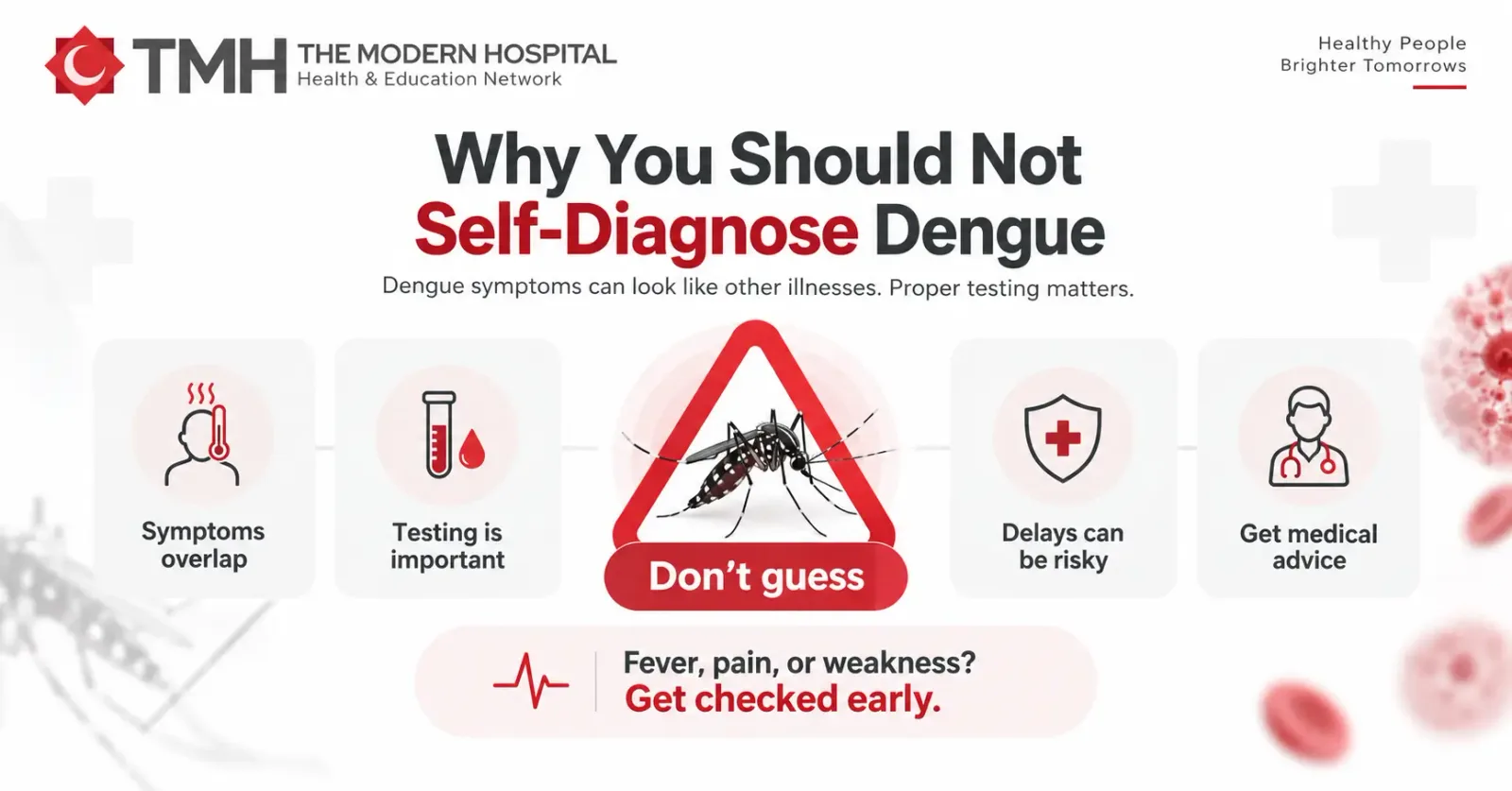
In Pakistan, many people try to manage fever at home without proper testing. Self-diagnosing dengue can be risky because its symptoms overlap with several other common illnesses.
Self-Medication
A common first response is to take over-the-counter medicines without medical advice.
People often rely on general fever or pain medications to manage symptoms
Some medications can increase the risk of bleeding, which is dangerous in dengue
Temporary relief may mask symptoms, making it harder to recognize disease progression
Without proper guidance, self-medication can do more harm than good.
Delayed Testing
Many patients delay getting tested, assuming the illness will resolve on its own.
Early symptoms are often mistaken for a mild viral infection
Testing is usually only considered when the condition worsens
This delay can allow the disease to progress into a more serious stage
Timely diagnosis is important for proper monitoring and management.
Confusion with Viral Fever
Dengue is frequently confused with other common infections.
Symptoms like fever, fatigue, and body aches are similar across illnesses
Conditions such as viral fever, malaria, or typhoid may appear almost identical in the early stage
Relying only on symptoms makes it difficult to identify the exact cause
This confusion often leads to incorrect assumptions and delayed care.
Risk of Complications if Left Untreated
Without proper diagnosis and monitoring, dengue can become dangerous.
Warning signs may go unnoticed during the critical phase
Platelet levels and fluid balance are not monitored at home
Severe dengue can develop rapidly if not managed in time
Understanding how symptoms can progress and recognizing warning signs early plays a key role in preventing complications.
Seeking medical advice early and getting the appropriate tests done ensures accurate diagnosis and reduces the risk of severe outcomes.
How Dengue is Diagnosed in Pakistan
Diagnosing dengue early can make a real difference in how safely and quickly someone recovers. In Pakistan, doctors rely on a combination of symptoms and lab tests, especially during peak dengue season when cases rise rapidly.
Dengue Test
If dengue is suspected, a blood test is usually the first step. But not all tests work the same way at every stage of the illness.
NS1 Antigen Test
Used in the early phase (usually within the first 1–5 days of symptoms). It helps detect the virus directly.
IgM / IgG Antibody Tests
These are more useful in the later stages, as they detect the body’s immune response to the infection.
Getting a timely dengue test helps is crucial as it helps doctors decide the next steps in monitoring and care.
Platelet Count
One of the biggest concerns with dengue is its impact on platelet levels. Platelet count is used to monitor how severe the infection is becoming. However, it’s important to understand that low platelets alone do not confirm dengue.
Doctors usually track platelet trends over time rather than relying on a single reading. A gradual drop can signal the need for closer observation or hospital care.
Where to Get Tested
In most cities across Pakistan, reliable diagnostic labs are easily accessible. Whether you visit a hospital or a certified laboratory, the key is to act early, especially if dengue symptoms like high fever, body aches, or fatigue start to intensify.
When to See a Doctor
Recognizing the right time to seek medical help is crucial in preventing dengue from becoming severe. Don’t wait for symptoms to worsen. Early medical guidance can make a big difference.
Seek medical attention if you have:
Fever lasting more than 2 days
Persistent high fever is often the first sign that needs evaluation.
Any warning signs
These may include severe abdominal pain, continuous vomiting, bleeding (gums/nose), or extreme weakness.
Belong to a high-risk group, including:
Children
Elderly individuals
People with existing health conditions
It’s best to consult a general physician early to ensure proper monitoring and timely care.
How To Prevent Dengue?
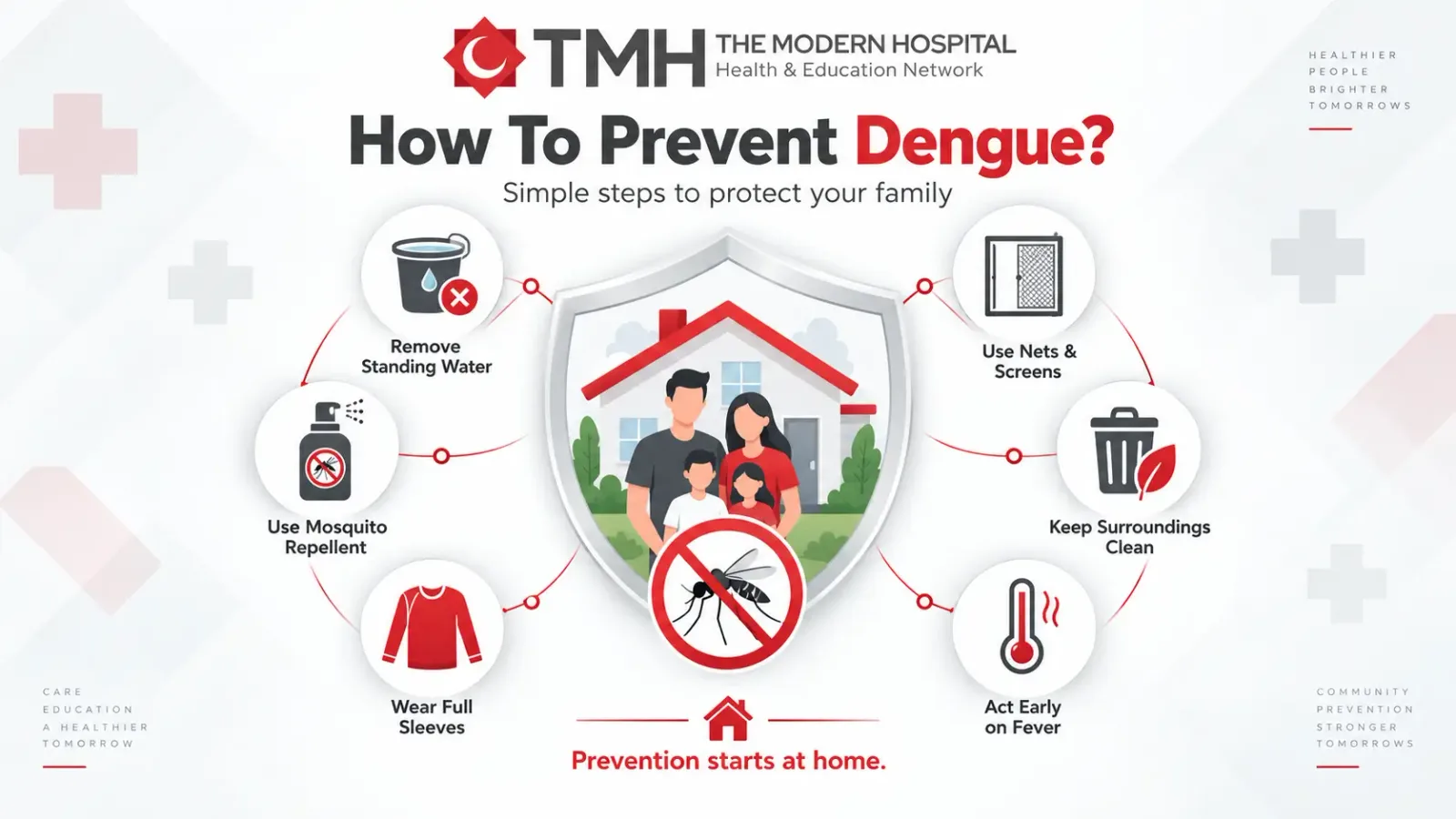
Preventing dengue starts with simple, consistent actions, both at home and at the community level. Since mosquitoes that spread dengue breed in clean, stagnant water, controlling their environment is key.
Reduce Your Risk of Mosquito Bites
Use mosquito repellents, especially during early morning and evening hours.
Sleep under mosquito nets if needed.
Wear long sleeves and full-length clothing when possible.
Eliminate Standing Water at Home
Regularly check and empty items like buckets, flower pots, old tires, and trays
Ensure rooftop water tanks and coolers are cleaned frequently
Keep drains unclogged to prevent water buildup
Cover Water Storage Containers
Always keep water tanks, barrels, and containers tightly covered
Even small amounts of exposed water can become breeding sites
Support Community-Level Awareness
Participate in local clean-up drives
Encourage neighbors to maintain hygiene around their homes
Report stagnant water or mosquito breeding areas to local authorities
Small, everyday precautions can significantly reduce the spread of dengue, especially during peak seasons.
Final Thoughts
Dengue remains a recurring health challenge in Pakistan, particularly during the monsoon season when environmental conditions allow mosquitoes to thrive.
What makes it more concerning is how often early symptoms are overlooked or mistaken for a minor viral illness, delaying proper diagnosis and care.
Understanding how dengue spreads, recognizing symptoms early, and acting on warning signs can significantly reduce the risk of complications. Timely testing and medical supervision play a critical role, especially during the critical phase when the condition can worsen unexpectedly.
Access to reliable medical care is equally important. Hospitals such as The Modern Hospital, which provide diagnostic testing and clinical management, make it easier for patients to receive timely evaluation and appropriate treatment when needed.
Ultimately, controlling dengue depends on a combination of awareness, early intervention, and consistent preventive practices at both the individual and community level.
Frequently Asked Questions
What are the first symptoms of dengue?
The most common early symptoms of dengue are high fever, severe headache, pain behind the eyes, muscle and joint pain, nausea or vomiting, and sometimes a skin rash. Symptoms usually begin 4–10 days after infection and commonly last 2–7 days.
How do I know if my fever is dengue?
You cannot confirm dengue from symptoms alone because dengue can resemble malaria, chikungunya, and other viral infections. A healthcare professional may recommend blood testing based on your symptoms, timing of illness, and local dengue risk.
Is dengue dangerous after the fever goes down?
Yes. A falling fever does not always mean recovery. The critical phase of dengue can occur around the time the fever subsides, when warning signs and complications may develop. Continue monitoring for severe abdominal pain, vomiting, bleeding, breathing difficulty, weakness, or changes in alertness.
What platelet count is dangerous in dengue?
There is no single platelet number that determines whether dengue is severe. Doctors consider platelet trends together with symptoms, bleeding, fluid leakage, hematocrit, blood pressure, and the patient's overall condition. A falling platelet count can be important, but platelet count alone does not diagnose dengue or determine severity.
Can you have dengue with a normal platelet count?
Yes. A normal platelet count does not rule out dengue, particularly early in the illness. Doctors may monitor blood counts over time and use appropriate dengue testing according to the stage of infection.
This is worth adding because it directly addresses a very common misconception in Pakistan-based patient discussions.
Which test confirms dengue?
Dengue can be confirmed through laboratory testing. Depending on how long the patient has been ill, healthcare providers may use NS1 antigen testing, nucleic acid amplification testing, or antibody testing such as IgM. The appropriate test depends on the stage of illness and the clinical situation.
Can dengue be mistaken for malaria?
Yes. Dengue and malaria can both cause fever, headache, body aches, nausea, and weakness. Because their symptoms can overlap, testing is important when either infection is suspected, particularly in areas where both diseases occur.
What is the difference between dengue and viral fever?
Dengue is a specific viral infection caused by dengue virus, while “viral fever” is a general term used for fever caused by different viruses. Dengue can cause high fever, severe body pain, headache, pain behind the eyes, nausea, vomiting, and rash, but these symptoms can overlap with other infections. Testing may be needed to identify the cause.